
Places where security is part of the customer experience
The thread running through these is not risk level. It is that security is visible to a customer, and a badly handled incident costs more in reputation than it does in stock.
Trusted by







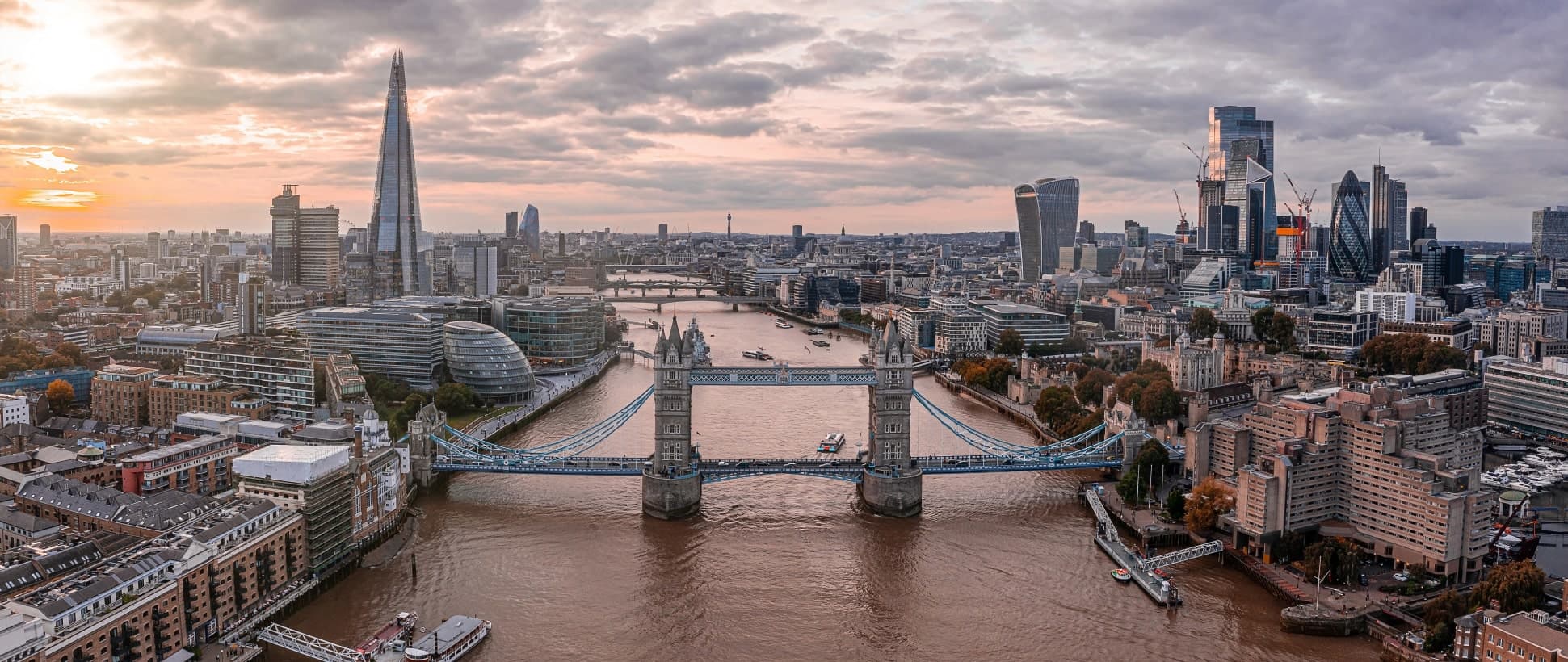
London, and the venues that define it
Hotels, luxury retail floors, event venues and corporate estates across the city and into Europe. The buildings people recognise, and the ones they do not.
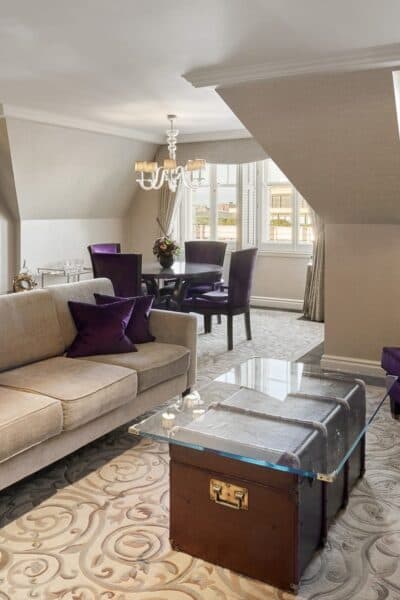
Hospitality
Hotels that need to feel open and stay secure at the same time.
What we see going wrong
- Guest facing incidents that reach social media before they reach your duty manager
- Tailgating into guest floors and back of house areas
- High staff turnover leaving gaps in who knows the building
- Events and functions bringing unfamiliar crowds into a live hotel
What we do about it
- Cover designed around guest flow rather than fixed posts
- Written site inductions so nobody learns the building during an incident
- Officers briefed on your brand as well as the risk
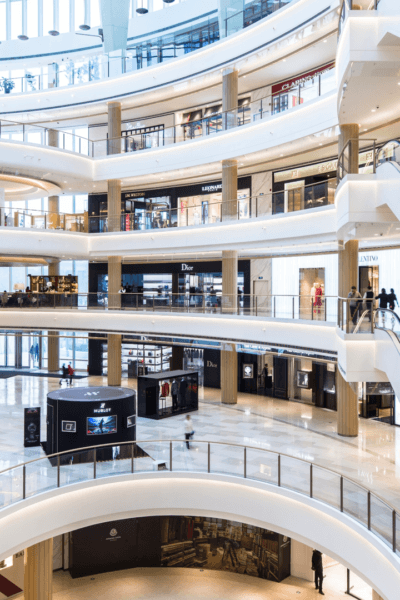
Luxury retail
High value floors facing organised and repeated theft.
What we see going wrong
- Organised groups who walk the floor before they take anything
- Repeat offenders returning across sites and across weeks
- Staff safety and confidence after an incident
- Insurers asking for evidence the reporting cannot support
What we do about it
- Pattern analysis across visits rather than incident by incident
- Officers trained for a high value floor and how to intervene on one
- Reports structured for insurers and police referral
Events
A lot of risk concentrated into a few hours.
What we see going wrong
- Crowds unfamiliar with the venue and its exits
- A public schedule that tells everyone when the room will be full
- Plans that stop working the moment the schedule slips
- Multiple suppliers with no shared command structure
What we do about it
- Threat assessment before anyone is quoted
- A written command structure with named roles
- Debrief within a week recording what actually happened
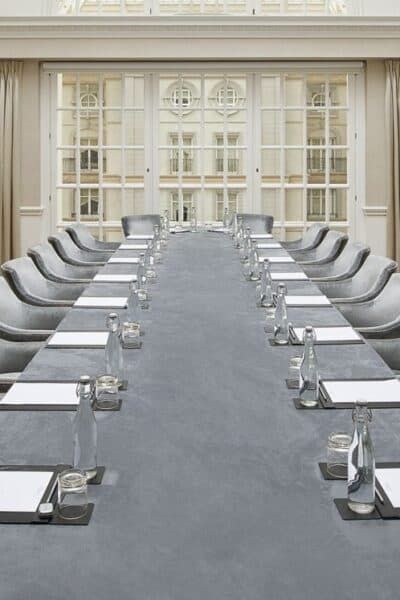
Corporate
Offices and estates where the digital and physical routes in are the same problem.
What we see going wrong
- Access cards cloned or shared, and visitor processes talked around
- Contractors and deliveries entering without a record
- Physical access used as the route to a digital compromise
- Security bought from separate suppliers who never compare notes
What we do about it
- Assessment across the physical and digital boundary as one surface
- Attention to the human route in, where most incidents start
- Findings written for a board as well as an engineer
Residential
Private buildings where the people matter more than the patrol.
What we see going wrong
- A concierge desk where turnover erases who is supposed to be in the building
- Contractors and deliveries admitted on a resident name and nothing else
- Residents who expect to be known, and notice immediately when they are not
- Incidents nobody writes down because the building feels like a home rather than a site
What we do about it
- Consistent officers, because recognition is the control in a private building
- Written access procedures for contractors and deliveries, not a signature in a book
- Discretion held as a standard, with the record kept anyway
Private clients
Close protection built on planning rather than visible presence.

What we see going wrong
- Predictable routines and repeated routes
- Schedules that leak through third parties
- Venues assessed on the day rather than in advance
- Cover that draws attention instead of avoiding it
What we do about it
- Pattern of life assessment before deployment
- Routes and venues checked in advance with alternatives planned
- Officers chosen for discretion as much as capability
Their pre-event security briefing was the most structured process we had experienced. On the night, two situations were managed before they became visible to guests.
Not sure which of these you are?
Most sites are more than one. Tell us what you protect and we will tell you which threats actually apply to you.
Book a free security review